

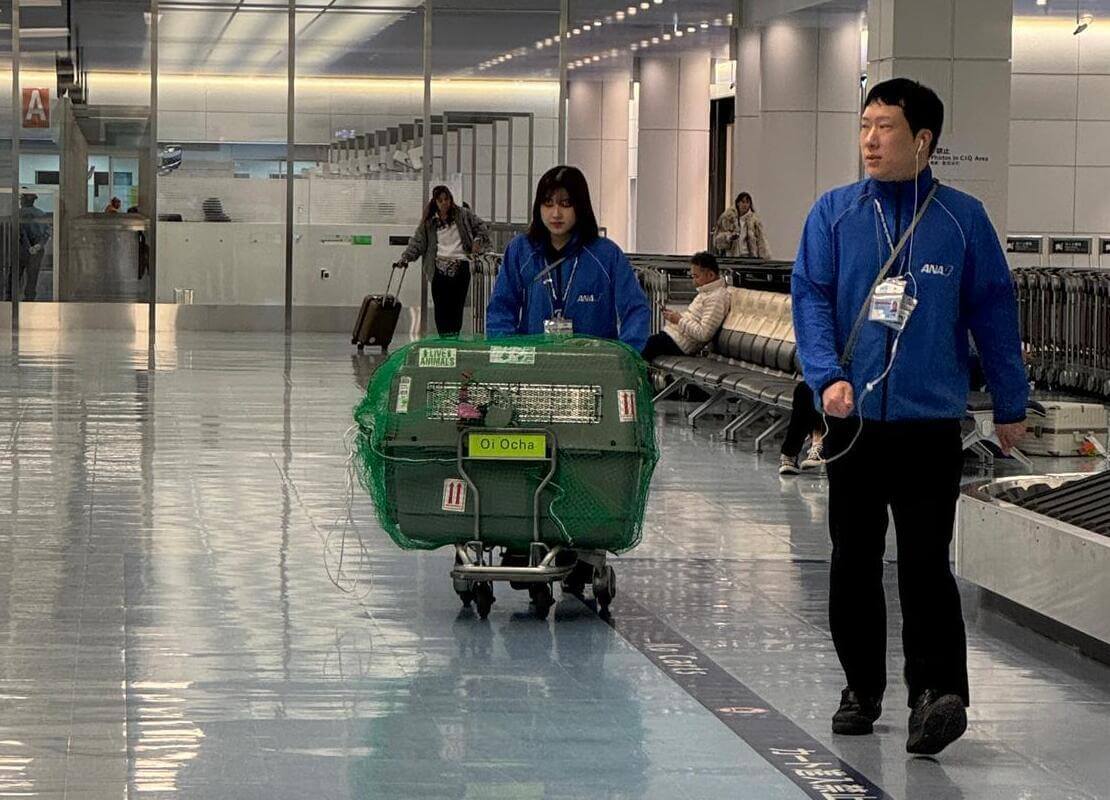
Moving internationally with pets can be a daunting task, especially when relocating from the USA to countries in Asia like Thailand and Japan. Pet parents often face numerous challenges — from understanding rapidly changing import regulations to ensuring their furry friends have a smooth, stress-free journey. This guide provides essential information on preparations, documentation, regulations, and practical tips for relocating pets to Asia from the USA.
Moving internationally with pets can be a daunting task, especially when relocating from the USA to countries in Asia like Thailand and Japan. Pet parents often face numerous challenges — from understanding rapidly changing import regulations to ensuring their furry friends have a smooth, stress-free journey. This guide provides essential information on preparations, documentation, regulations, and practical tips for relocating pets to Asia from the USA.
Import Regulations by Country
Each Asian nation has its own set of rules that change frequently. Always verify with official government sources or work with our pet documentation specialists who monitor these changes in real time. Here is what you need to know for the most common destinations.
Japan
Very Strict- ISO-compliant microchip implanted before rabies vaccination
- 2 rabies vaccinations at least 30 days apart
- Rabies titer test — must show adequate antibody levels
- 180-day waiting period after titer test
- USDA-endorsed health certificate
- Import notification to MAFF 40 days before arrival
Singapore
Very Strict- ISO-compliant microchip
- Rabies vaccination at least 30 days before travel
- Rabies titer test required
- Import permit obtained before arrival
- USDA-endorsed health certificate
- 10-day quarantine upon arrival (USA is not rabies-free)
Thailand
Moderate- Rabies vaccination at least 21 days before travel
- Veterinary health certificate from licensed vet
- USDA endorsement of health certificate
- Import permit from Thai Department of Livestock Development
- Quarantine generally not required if documentation is complete
Hong Kong
Moderate- ISO-compliant microchip
- Rabies vaccination
- Import permit obtained before arrival from AFCD
- Veterinary health certificate
- No quarantine if all documentation is complete and timelines met
Pre-Departure Pet Preparation
Once you understand the regulations for your specific destination, it’s time to prepare your pet. Every step below needs to happen in the right order — the microchip must come before the vaccination, and the vaccination must come before the titer test.
-
1
Microchipping Ensure your pet is implanted with an ISO 11784/11785 compliant 15-digit microchip — this is non-negotiable for all Asian destinations. The microchip must be implanted before the rabies vaccination or the vaccination record is invalidated.
-
2
Rabies Vaccination Schedule with your vet according to your destination’s timeline requirements. Japan and Singapore require vaccinations at least 30 days before travel; Thailand requires 21 days. Document everything — vaccination dates, brand name, serial number.
-
3
Rabies Titer Test (Japan & Singapore) A blood test that proves the rabies vaccination is effective. After a positive titer test, Japan requires a 180-day waiting period before entry. This is the step that surprises most pet owners — plan accordingly.
-
4
Health Certificate & USDA Endorsement An International Health Certificate signed by a USDA-accredited veterinarian, then endorsed by your regional USDA APHIS office. Must be issued within 10 days of departure. Allow 3–5 business days for USDA processing.
-
5
Crate Training Use an IATA-approved travel crate sized so your pet can stand, turn around, and lie down comfortably. Begin crate training at least 4–6 weeks before travel. A pet comfortable in their crate has measurably lower stress during the journey.
-
6
Import Permits Japan (MAFF notification 40 days before), Singapore (AVMA permit before departure), Hong Kong (AFCD permit before departure), Thailand (DLD import permit). Our documentation team handles permit applications for all destinations.
Relocating to Japan, Singapore or Korea?
Asia’s documentation requirements are among the most complex in the world. Our IPATA-certified specialists have completed hundreds of Asia-bound relocations and know every requirement, timeline, and permit.
Pet-Friendly Airlines for USA to Asia Routes
Not all airlines handle live animals equally. For USA-to-Asia routes, cargo space for pets is limited and books up quickly — especially during summer and holiday periods. Contact airlines directly as policies change frequently, and always confirm your pet’s booking is confirmed (not just waitlisted) before finalizing your own travel plans.
Delta Airlines
Pets accepted in cabin and cargo depending on size and weight. Specific carrier dimension requirements. Confirm embargo dates — Delta restricts pets during extreme temperatures.
American Airlines
Cabin and cargo options with clear regulations. Strong pet care protocols during flights. Check breed restrictions carefully — brachycephalic breeds face limitations.
Japan Airlines (JAL)
Well-regarded pet transport service with high standards for animal care. Accepts pets in cargo for Japan routes. Advance booking essential — space is limited per flight.
Thai Airways
Accommodates pets in cabin for smaller animals. Specific guidelines for cargo travel. Thailand-bound flights may offer the most direct routing from LAX or other US hubs.
What to Expect on Flight Day
Preparation the day of travel reduces stress for both you and your pet. Review our pre-travel checklist the night before to make sure nothing is missed.
- Arrive early. Checking in with a pet takes significantly longer than a standard check-in. Allow at least 3 hours before departure for international flights.
- Have all documents instantly accessible. Health certificates, import permits, vaccination records, and microchip documentation should be in a dedicated folder — not buried in your luggage. Inspectors will ask for them at check-in and again at the destination.
- Light feeding only. Avoid a large meal for 4–6 hours before the flight to minimize motion sickness risk. A small amount of water is fine. Do not sedate your pet without veterinary guidance — sedation at altitude can be dangerous.
- Weather awareness. Airlines have embargo policies restricting pet transport in extreme heat or cold. If your travel date falls in summer or winter, confirm your pet’s booking is not subject to temperature embargoes on your specific route.
- Label the crate completely. Attach a waterproof label with your pet’s name, your contact details, destination contact details, feeding instructions, and any veterinary notes. Include a photo of your pet inside the crate door.
Arrival in Asia: Customs, Quarantine & Settling In
Upon arrival, the process varies significantly by country. Japan has dedicated quarantine officers who will review your documents at the airport. Thailand’s process is typically faster if paperwork is complete. Singapore requires your pet to be collected from an approved quarantine station after the mandatory 10-day period.
Navigating Customs
- Have all documentation — originals and copies — ready to present immediately.
- In Japan, a quarantine officer will inspect your documents on arrival. If everything is in order, your pet may be released within a few hours. If not, a quarantine period begins immediately at your expense.
- In Thailand, the Department of Livestock Development officer reviews documents and may physically inspect your pet.
- In Hong Kong, AFCD staff will check documentation and microchip at the Animal Management Centre.
If Quarantine is Required
If there are documentation discrepancies or if your pet shows signs of illness, quarantine may be imposed. Research approved quarantine facilities at your destination in advance — some are significantly better than others. Our team can recommend vetted facilities and coordinate collection once the quarantine period ends.
Helping Your Pet Settle In
- Provide familiar toys, bedding, and clothing with your scent to reduce anxiety in the new environment.
- Maintain consistent feeding and walk routines — routine is the fastest path to comfort for a relocated pet.
- Allow 2–4 weeks for full adjustment, particularly in climates very different from home. Southeast Asia’s heat and humidity affects pets differently than the US Pacific coast.
- Register with a local veterinarian in the first week — don’t wait for an emergency to find one.
Real Relocation: Sherlock Bones, Los Angeles to Bangkok
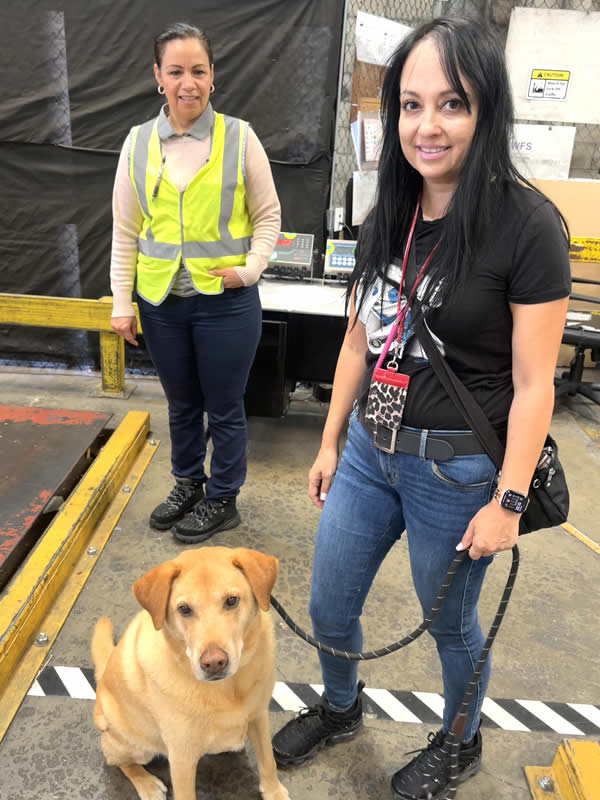
Real pet relocation
Meet Sherlock Bones — a sweet 9-year-old senior dog who made the journey from Los Angeles, California to Bangkok, Thailand. Senior pets require extra planning: additional veterinary clearances, careful crate comfort, and airline selection for routes with minimal layovers and optimal temperature control.
Common Challenges & How to Overcome Them
- Unexpected quarantines. Always have a backup plan for unforeseen delays. Research approved quarantine facilities at your destination before you travel — not after your pet is detained.
- Regulation changes. Asian countries update import requirements with little notice. Use a pet travel expert who actively monitors these changes rather than relying on information found online, which may be outdated.
- Titer test timing errors. This is the single most common mistake for Japan-bound pets. The titer test result must show adequate antibody levels, and the 180-day wait begins only after a successful result — not after the test date. A failed test means restarting the vaccination sequence.
- Language and communication barriers. Import permit applications, customs declarations, and quarantine facility communications are often only available in the local language. Having a local agent or professional service contact these authorities on your behalf removes a significant source of stress.
- Airline cargo booking availability. Live animal space on trans-Pacific flights is genuinely limited. We have seen pets miss their move date because cargo bookings were not confirmed early enough. Book as soon as your flights are confirmed — ideally 3+ months in advance.
Why Professional Pet Shipping Services Make the Difference
Asia-bound relocations are among the most documentation-intensive moves in international pet transport. Working with Across The Pond Pets means you have a team that has completed hundreds of these specific routes and knows every step.
For further information on international pet shipping from the USA, or to explore our global pet shipping services, contact our team today. We operate from LAX and coordinate Asia-bound relocations daily.
Ready to start planning your pet’s move to Asia?
Get a free consultation with our Asia relocation specialists. We’ll map out the exact timeline, permits, and documentation your pet needs — with no obligation.
