

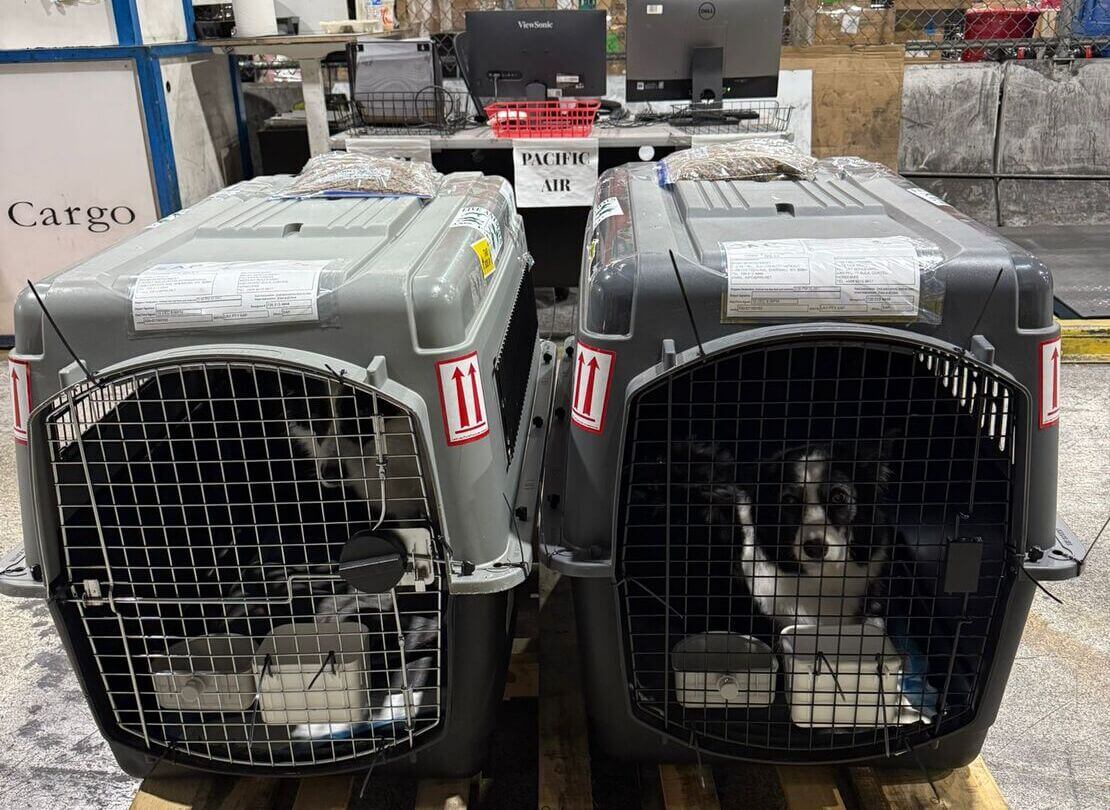
International pet travel has become increasingly common as families relocate for work, military assignments, retirement, or lifestyle changes. However, moving a dog or cat overseas is far more complex than booking a plane ticket. Each country has specific import regulations, vaccination timelines, documentation requirements, airline rules, and in some cases, quarantine procedures.
This complete 2026 guide explains everything pet owners need to know about relocating a pet internationally — from early planning to arrival — and how working with an experienced professional can make the process smooth, compliant, and stress-free.
Step 1: Start Planning Early
International pet travel is not last-minute friendly. Some destinations require preparation that begins months in advance, particularly if blood tests or quarantine reservations are involved. Countries like Australia, New Zealand, Japan, and certain parts of the European Union have strict timelines that must be followed precisely.
The first step is understanding the destination country’s import requirements. These typically include:
- Microchip identification (ISO compliant)
- Up-to-date rabies vaccination
- Additional vaccinations depending on destination
- Rabies antibody (titer) blood testing
- Import permits
- Government-endorsed health certificates
Professional international pet shipping services help families navigate these timelines and avoid costly mistakes that can delay travel.
Step 2: Understanding Documentation Requirements
One of the most common reasons pets are denied boarding or placed into unexpected quarantine is incomplete or incorrect paperwork. Every country has precise documentation rules that must align with airline policies and government standards. Before beginning the process, pet owners should carefully review destination-specific import regulations. You can check detailed country requirements here: Pet Destination Requirements.
Required documentation often includes:
- Official health certificate issued by a USDA-accredited veterinarian
- Government endorsement (USDA or equivalent authority)
- Vaccination records
- Laboratory test results
- Import permits (if required)
Working with experts in pet documentation services ensures that all paperwork is prepared accurately, submitted on time, and aligned with destination regulations.
Even small clerical errors — such as mismatched microchip numbers or incorrect dates — can cause major delays. Precision matters.
Step 3: Airline Cargo vs. In-Cabin Travel
Many international relocations require pets to travel through airline cargo rather than in the passenger cabin. While this can sound intimidating, airline cargo transport is highly regulated and commonly used for long-distance pet moves.
Airline cargo departments follow strict temperature, safety, and handling protocols. However, each airline has its own breed restrictions, seasonal embargoes, and crate requirements.
Understanding airline cargo policies includes:
- Approved travel crate specifications
- Check-in timing requirements
- Weather and temperature restrictions
- Breed limitations
- Connection and layover planning
Reviewing official crate guidelines early in the planning process helps ensure your pet’s travel kennel meets IATA standards and airline approval.
Step 4: Crate Training and Preparation
A properly sized, airline-approved crate is essential for international pet travel. Beyond compliance, crate training reduces stress and helps pets feel secure during transit.
Pet owners should begin crate training several weeks before departure by:
- Introducing the crate gradually
- Feeding meals inside the crate
- Encouraging short, positive practice sessions
- Ensuring the crate is the correct size for standing and turning
Preparation also includes attaching water bowls, labeling the crate correctly, and confirming absorbent bedding meets airline standards.
Step 5: Destination-Specific Rules and Quarantine
Some countries require mandatory quarantine upon arrival. For example, Australia has structured quarantine procedures that must be booked well in advance. Other countries may allow home quarantine under certain conditions.
Quarantine requirements can depend on:
- Country of origin
- Vaccination compliance
- Blood test timing
- Import permit approval
Understanding these rules early prevents unexpected expenses or prolonged separation after arrival.
Step 6: Military PCS and Government Relocations
Active-duty military families often face unique challenges when relocating overseas. PCS timelines can be tight, and destination rules may vary depending on base location.
Specialized military pet transportation services are designed to support service members through structured relocation timelines while ensuring full regulatory compliance.
Advance coordination is especially important when dealing with overseas assignments, housing limitations, and breed restrictions in certain countries.
Step 7: Final Departure Checklist
As departure day approaches, attention to detail becomes critical. Missing a final document or arriving late to cargo check-in can disrupt the entire travel plan.
Before leaving for the airport, confirm:
- All documents are printed and signed
- Microchip number matches paperwork
- Crate labels are secured
- Feeding instructions are attached
- Airline booking is confirmed
Using a professional departure checklist helps ensure nothing is overlooked during this final stage.
Common Mistakes to Avoid
- Waiting too long to begin paperwork
- Using a non-compliant travel crate
- Booking flights before confirming import approval
- Underestimating seasonal weather embargoes
- Incorrect vaccination timing
International pet travel involves moving parts that must align perfectly. Planning and professional coordination significantly reduce risk.
Why Work With a Professional Pet Transport Provider?
The best international pet relocations are those that are planned carefully and executed by experienced professionals. From documentation oversight to airline coordination and destination compliance, expert support eliminates guesswork.
Professional transport providers:
- Monitor regulatory changes
- Coordinate directly with airline cargo departments
- Manage government endorsements
- Guide pet owners through crate compliance
- Oversee quarantine arrangements when required
International relocation is already stressful. Ensuring your pet’s journey is safe, legal, and well-organized provides peace of mind during a major life transition.
Final Thoughts: Preparing for International Pet Travel in 2026
International pet travel in 2026 continues to evolve as countries update biosecurity rules and airlines refine safety policies. The key to a successful relocation is early preparation, accurate documentation, airline compliance, and detailed planning.
Whether your pet is relocating across the Atlantic, the Pacific, or anywhere in between, a structured, well-managed process makes all the difference. By understanding the steps outlined in this guide and working with experienced professionals, families can confidently navigate international pet travel and ensure their pets arrive safely at their new home.
