

Traveling with a pet — whether across state lines or to another country — means juggling airline policies, destination entry rules, vaccinations, and paperwork that all run on their own timelines. Miss one detail and your pet can be refused at check-in or held on arrival.
This guide walks you through the three stages every trip follows: the vet visit, preparing for departure, and travel day. If you'd rather hand the details to a professional, our team handles everything through our pet travel services, including full international moves with our global pet shipping services.
Start planning
8–12 weeks out
For most international trips. Some destinations, such as Japan, Australia, and New Zealand, need six months or more.
Key documents
Health certificate
Plus rabies records and microchip details. International moves usually need a USDA-endorsed certificate.
The right crate
IATA-compliant
Your pet must be able to stand, sit, turn around, and lie down naturally inside it.
Your 3-Step Pet Travel Plan
Every pet trip follows the same sequence. Start each step early — most delays come from documents that were issued too soon, too late, or not at all.
-
As soon as you know your travel date
Visit Your Veterinarian
Your vet visit is the foundation of a compliant trip. For international travel, see a USDA-accredited veterinarian — only they can issue the health certificate that USDA endorses for export.
- Book a full health exam and confirm your pet is fit to fly.
- Check that the microchip is an ISO 11784/11785 15-digit chip if your destination requires one — and that it was implanted before the rabies vaccine where that order matters.
- Bring rabies and other vaccinations up to date, observing any waiting periods your destination sets.
- Ask about any titer test, parasite treatment, or import permit your destination requires.
- Discuss travel anxiety — but avoid sedation unless your vet prescribes it for a medical reason (see the tip below).
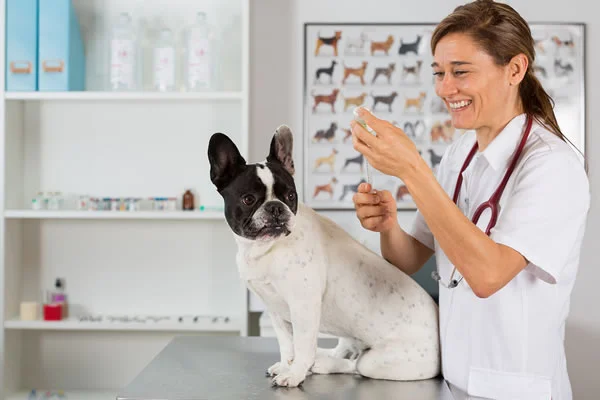
- USDA health certificates preparedDocumentation services
- Microchip & vaccine timing checkedAgainst your destination's rules
-
Weeks before departure
Prepare for Departure
Lock in the logistics: airline rules, the right crate, training, and a packed travel kit. If it starts to feel like a lot, our team can coordinate the whole move with our international pet transportation and domestic services.
- Research destination entry rules: permits, quarantine, breed restrictions, and document timing.
- Book flights early — airlines limit the number of pets per flight, and many restrict pets in summer heat. Compare carriers in our Airline Cargo Guide.
- Buy an IATA-compliant travel crate sized to your pet (see crate sizing below).
- Start crate training weeks ahead with short, positive sessions so the crate feels like a safe den.
- Pack a travel kit: food, water dish attached to the crate door, absorbent bedding, leash, medications, and a document pouch.
- Label the crate with your pet's name, a photo, and contact details at origin and destination.
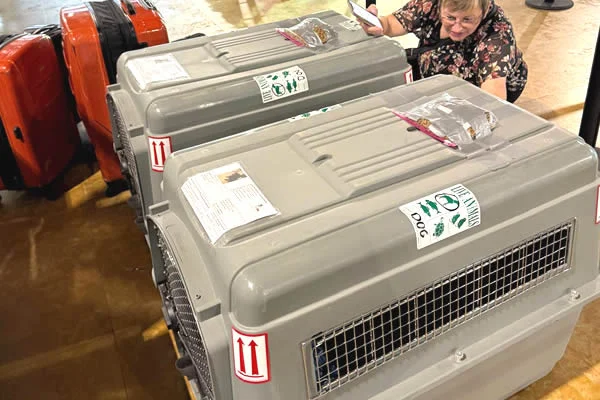
- IPATA memberPlus PetTech & IBPSA
- TSA-certified teamAir cargo security trained
- Crate sizing guidanceIATA crate guidelines
-
Travel day & arrival
Fly and Settle In
Keep the day calm, arrive early, and have every document within reach for check-in and customs.
- Reduce food the day before and offer a light meal about two hours before handing your pet to the airline; keep water available.
- Walk your dog before leaving for the airport and again before check-in.
- Check in early if your pet flies in the hold, so it can rest somewhere quiet; check in as late as allowed for in-cabin travel.
- Carry original documents plus paper copies, with digital backups on your phone.
- On arrival, clear customs or the animal inspection, collect your pet promptly, and check its condition.
- Give your pet a quiet space and familiar items, and ease back into its normal routine.
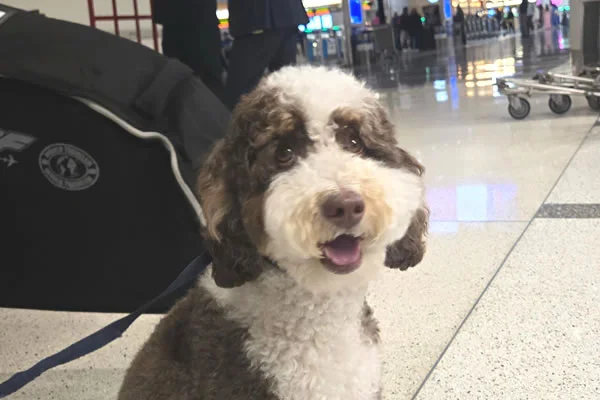
- SEA-TAC & LAX branchesServing pet owners nationwide
- Arrival & customs coordinationFor international moves
- Talk to an agent+1-206-317-4515
Skip the sedatives. IATA and the American Veterinary Medical Association advise against sedating pets for air travel — sedation can affect balance, breathing, and body temperature at altitude. Thorough crate training does far more to keep your pet calm. If your vet prescribes medication for a medical reason, it should be noted on the health certificate.
In the Cabin, as Checked Baggage, or as Cargo?
How your pet flies depends on its size, the airline, the route, and the destination country. Here are the three options and when each one applies.
Snub-nosed breeds need extra care. Bulldogs, pugs, boxers, Persian cats, and other brachycephalic breeds struggle to regulate body temperature. Many airlines refuse them in the hold, and IATA recommends a crate at least 10% larger than standard. Avoid hot-weather travel and talk to us before booking.
How to Size a Travel Crate
Airlines turn away pets whose crates are too small. IATA calculates the minimum internal dimensions from four measurements of your pet standing naturally: A nose to base of tail, B floor to elbow, C width across the shoulders, and D floor to the top of the head or ear tips.
The crate must be rigid, well ventilated, and secured with a metal door and hardware. See our full crate guidelines for construction requirements.
Coming Back to the U.S. with Your Dog
Return trips catch many owners off guard. Since August 2024, the CDC sets the rules for every dog entering the United States — including dogs that started their trip here. The requirements depend on where your dog was vaccinated and which countries it has been in during the previous six months.
Plan before you leave. If your U.S.-vaccinated dog will visit a country the CDC lists as high-risk for dog rabies, a USDA-accredited veterinarian must complete the Certification of U.S.-Issued Rabies Vaccination form before your dog departs the United States.
Use the CDC Dog Importation Navigator to see which requirements apply. Military families can also see our PCS Back to the U.S. with Pets guide.
Pet Travel Resources
Trusted guides from our team and official sources to help you plan.
Across The Pond Pets Guides
- International Pet Travel ChecklistA printable checklist of everything to do before departure
- Crate GuidelinesCrate construction and sizing requirements
- Airline Cargo GuidePet policies for 11 major airlines
- Global Pet Relocation HubsAnimal facilities at JFK, Frankfurt, Amsterdam, Heathrow, Doha, and LAX
- Pet Travel GlossaryPlain-English definitions of common pet travel terms
- Military Pet TransportationPCS guides for service members and their families
Official References
- USDA APHIS – Travel With a PetExport, import, and interstate requirements
- CDC – Bringing a Dog into the U.S.Entry and re-entry rules for dogs
- IATA – Traveler's Pet CornerCrate requirements and airline procedures
- AVMA – Traveling With Your PetVeterinary guidance for pet owners
- IPATAInternational Pet and Animal Transportation Association
- Air Mobility Command – Pet TravelPatriot Express pet rules for PCS moves
Requirements change often. Always confirm timelines with your airline and your destination's authorities before you travel.
Why Families Choose Across The Pond Pets
TSA-certified teamTrained in air cargo security for moving animals as cargo.
Industry membershipsMembers of IPATA, PetTech, and IBPSA.
Paperwork handledHealth certificates, USDA endorsements, permits, and documentation services.
Seattle & Los Angeles branchesBased at SEA-TAC and LAX, serving pet owners nationwide through our partner network.
Current regulationsWe track airline and country rule changes so you don't have to.
A plan for your petPersonalized to your pet's breed, size, health, and route.
Frequently Asked Questions
Can my pet travel in the airplane cabin?
Small dogs and cats usually can, in an airline-approved soft carrier that fits under the seat in front of you. Each airline sets its own size and weight limits and caps the number of pets per flight, so book early. Some countries, such as the UK, Australia, and New Zealand, don't allow pets to arrive in the cabin. Compare carriers in our Airline Cargo Guide.
What type of crate should I use for international travel?
Use a rigid, well-ventilated crate that meets IATA Live Animals Regulations, with a metal door and hardware. Your pet must be able to stand, sit, turn around, and lie down naturally. Line it with absorbent bedding, attach a water dish refillable from outside, and label it with your contact details. See our crate guidelines.
Do I need a health certificate for my pet?
Almost always. Many U.S. airlines and some states require a certificate issued within about 10 days of travel for domestic trips. International moves usually need a health certificate from a USDA-accredited veterinarian, endorsed by USDA APHIS and issued within the window your destination sets. Our pet documentation services can prepare it for you.
How early should I prepare for pet travel?
Start 8–12 weeks ahead for most international trips to allow for vet visits, vaccinations, crate training, paperwork, and flight bookings. Rabies-free destinations such as Japan, Australia, and New Zealand can require six months or more because of blood tests and waiting periods. Use our International Pet Travel Checklist to stay on track.
Can I travel with my pet to multiple countries on one trip?
Yes, but each country has its own entry rules, and transit countries can have requirements too. Research every stop's vaccinations, permits, and quarantine rules, and check that your airline accepts pets on each leg. If you'll return to the U.S. with a dog, review the CDC re-entry rules before you leave.
What should I pack for my pet during travel?
Pack food, a crate-mounted water dish, absorbent bedding, a leash and harness, any medications, and originals plus copies of every travel document. A familiar blanket or toy can help your pet settle. Our International Pet Travel Checklist has the full list.
Should I sedate my pet for the flight?
Generally no. IATA and the American Veterinary Medical Association advise against sedating pets for air travel because it can affect balance, breathing, and temperature regulation. Crate training is the best way to reduce stress. If your veterinarian prescribes medication for a medical reason, it should be noted on the health certificate.
Can you help if something goes wrong during travel?
Yes. Our team helps with paperwork problems, flight changes, and sudden airline or destination rule changes. Contact us or call +1-206-317-4515 for professional support.
Let Us Plan Your Pet's Journey
From the first vet visit to arrival day, our pet travel agents handle the details so your pet travels safely and you travel with peace of mind.
Or call us: +1-206-317-4515